
局部更新,批量删除,分页查询
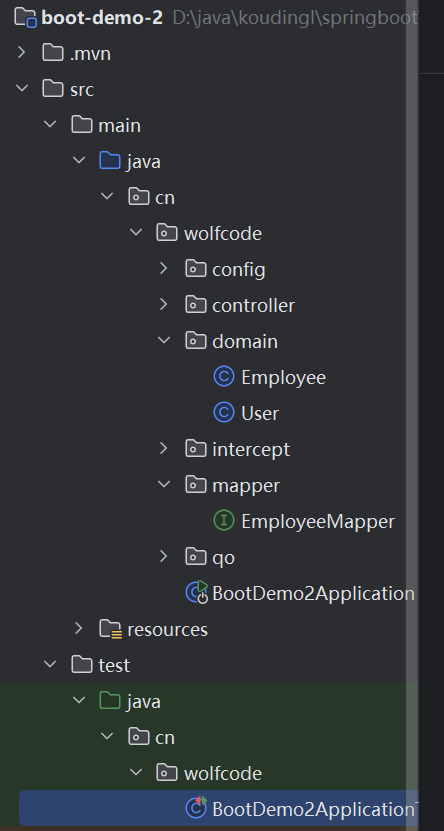
结构
1. 局部更新(Partial Update)
代码实现
在 EmployeeMapper.java 中:
@UpdateProvider(type = EmployeeMapper.SQLProvider.class, method = "update")
int patch(Employee employee);

class SQLProvider {
    public String update(Employee employee) {
        StringBuffer sql = new StringBuffer("update employee set ");
        if (!StringUtils.isEmpty(employee.getName())) {
            sql.append("name=#{name},");
        }
        if (!StringUtils.isEmpty(employee.getSal())) {
            sql.append("sal=#{sal},");
        }
        if (!StringUtils.isEmpty(employee.getSex())) {
            sql.append("sex=#{sex},");
        }
        String substring = sql.substring(0, sql.length() - 1);
        substring += " where id=#{id}";
        return substring;
    }
}
2. 批量删除(Batch Delete)
代码实现
在 EmployeeMapper.java 中:
@DeleteProvider(type = EmployeeMapper.SQLProvider.class, method = "deleteByIds")
int deleteByIds(Long[] ids);

class SQLProvider {
    public String deleteByIds(Long[] ids){
        StringBuffer sql = new StringBuffer("delete from employee where id in(");
        for (Long id : ids) {
            sql.append(id).append(",");
        }
        String substring = sql.substring(0, sql.length()-1);
        substring+")";
        return substring;
    }
}
实现原理
- SQL构建:
- 首先构建
delete from employee where id in(开头的SQL - 然后遍历ID数组,将每个ID添加到SQL中
- 最后移除末尾的逗号,并添加闭合括号
)
- 首先构建
3. 分页查询(Pagination)
代码实现
第一步:创建分页查询对象
@Data
public class EmployeeQO {
    private String name;           // 姓名查询条件
    private BigDecimal salStart;   // 薪资起始值
    private BigDecimal salEnd;     // 薪资结束值
    private int pageSize = 10;     // 每页显示条数
    private int currentPage = 1;   // 当前页码

    // 计算起始位置
    public int getStart() {
        return (currentPage - 1) * pageSize;
    }
}
第二步:修改Mapper接口
@SelectProvider(type = EmployeeMapper.SQLProvider.class, method = "queryByCondition")
List<Employee> queryByCondition(EmployeeQO qo);

@SelectProvider(type = EmployeeMapper.SQLProvider.class, method = "queryCountByCondition")
int queryCountByCondition(EmployeeQO qo);
第三步:修改SQLProvider类
public String queryByCondition(EmployeeQO qo) {
    StringBuffer sql = new StringBuffer("select * from employee where 1=1");
    // 添加查询条件
    if (!StringUtils.isEmpty(qo.getName())) {
        sql.append(" and name like concat('%',#{name},'%')");
    }
    if (qo.getSalStart() != null) {
        sql.append(" and sal>=#{salStart}");
    }
    if (qo.getSalEnd() != null) {
        sql.append(" and sal<=#{salEnd}");
    }
    // 添加分页
    sql.append(" limit #{start}, #{pageSize}");
    return sql.toString();
}

public String queryCountByCondition(EmployeeQO qo) {
    StringBuffer sql = new StringBuffer("select count(*) from employee where 1=1");
    // 添加相同的查询条件
    if (!StringUtils.isEmpty(qo.getName())) {
        sql.append(" and name like concat('%',#{name},'%')");
    }
    if (qo.getSalStart() != null) {
        sql.append(" and sal>=#{salStart}");
    }
    if (qo.getSalEnd() != null) {
        sql.append(" and sal<=#{salEnd}");
    }
    return sql.toString();
}
实现原理
-
分页参数:
pageSize:每页显示的记录数currentPage:当前页码start:计算起始位置,公式为(currentPage - 1) * pageSize
-
SQL构建:
- 构建基础查询条件
- 添加
limit #{start}, #{pageSize}子句实现分页 - 另外需要一个查询总记录数的方法,用于计算总页数
-
分页查询流程:
- 计算总记录数
- 计算总页数
totalPages = (totalCount + pageSize - 1) / pageSize - 查询当前页的数据
- 返回数据和分页信息
分页查询的核心公式
- 起始位置:
start = (currentPage - 1) * pageSize - 总页数:
totalPages = (totalCount + pageSize - 1) / pageSize
4. 总结
局部更新
- 使用
@UpdateProvider动态生成SQL - 根据字段是否为空决定是否包含在更新语句中
- 必须包含主键字段用于定位记录
批量删除
- 使用
@DeleteProvider动态生成SQL - 使用
in子句包含多个ID - 一次操作删除多条记录
分页查询
- 使用
limit子句实现分页 - 需要计算起始位置和总页数
- 同时查询数据和总记录数

 浙公网安备 33010602011771号